


Busan is South Korea’s second-largest city, located at the southeastern tip of the Korean Peninsula. It’s a beautiful coastal city where mountains meet the sea, offering a perfect balance of natural beauty, deep history, and vibrant urban culture.
One of Busan’s most distinct features is its proximity to Japan. Just across the sea lies Tsushima Island (called Daemado in Korean), and the Japanese mainland city of Kitakyushu is also nearby. Thanks to this geographical closeness, Busan has long served as a hub for maritime exchange between Korea and Japan. Records show that such exchanges began as early as the 6th to 7th century BCE. During the Joseon Dynasty, official diplomatic envoys called Joseon Tongsinsa were sent from Busan to Japan, playing a vital role in cultural and diplomatic ties.
Busan enjoys all four seasons and has a relatively mild climate. Located on Korea’s east coast and far from China, it’s less affected by yellow dust or fine dust pollution. With the sea right at its doorstep, Busan is also known for its abundance of fresh sea food, making it a paradise for food lovers.

A Culinary Journey: Busan’s Must-Try Dishes 🍜
Busan is a foodie’s dream destination, offering some of the freshest seafood and most unique local flavors in Korea.
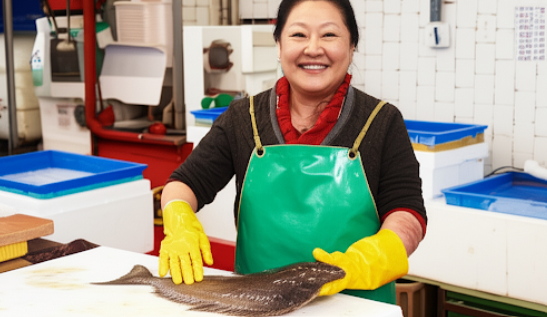
- Sliced Raw Fish (Hwe): You can enjoy freshly caught fish, cleaned and prepared right before your eyes at places like Jagalchi Market or Millak Raw Fish Center. Flounder, rockfish, and sea bream are popular picks for their chewy texture and clean flavor.
- Grilled Eel (Gomjangeo): A beloved Busan specialty, often served spicy or salted, sizzling on charcoal grills in places near Jagalchi or Haeundae.
- Milmyeon (Wheat Noodles): A local variation of cold noodles, unique to Busan. It’s served with tangy broth and chewy noodles — a perfect dish for summer.
- Dwaeji Gukbap (Pork Soup with Rice): A hearty bowl of warm broth, tender pork slices, and rice. It’s considered a beloved comfort food by locals.
- Seed Hotteok: A popular street snack filled with brown sugar, sunflower seeds, and peanuts. You’ll find the best versions in Nampo-dong’s alleys.
- Gukje Market Food Alley: This famous street food zone is packed with Korean favorites — from tteokbokki and fish cakes to fried treats and seaweed rolls.
A City of History, Culture, and Coastal Beauty ⚓
Busan is not only a maritime hub but also played a vital role in modern Korean history. During the Korean War (1950–1953), it remained one of the only cities not captured by North Korean forces. As a result, it served as South Korea’s temporary capital and refuge for millions of displaced citizens. Today, you can still see traces of that history at places like the 40 Stairs Cultural Center and the Provisional Capital Memorial Hall.
Culturally, Busan is a dynamic city. Events like the Busan International Film Festival (BIFF), Busan Fireworks Festival, and Gwangalli Drone Show bring global visitors every year. Its famous landmarks — Haeundae Beach, Gwangalli Bridge, Gamcheon Culture Village, Huinnyeoul Culture Village, Oryukdo, and Songdo Sky Cable Car — offer breathtaking scenery and unforgettable experiences.
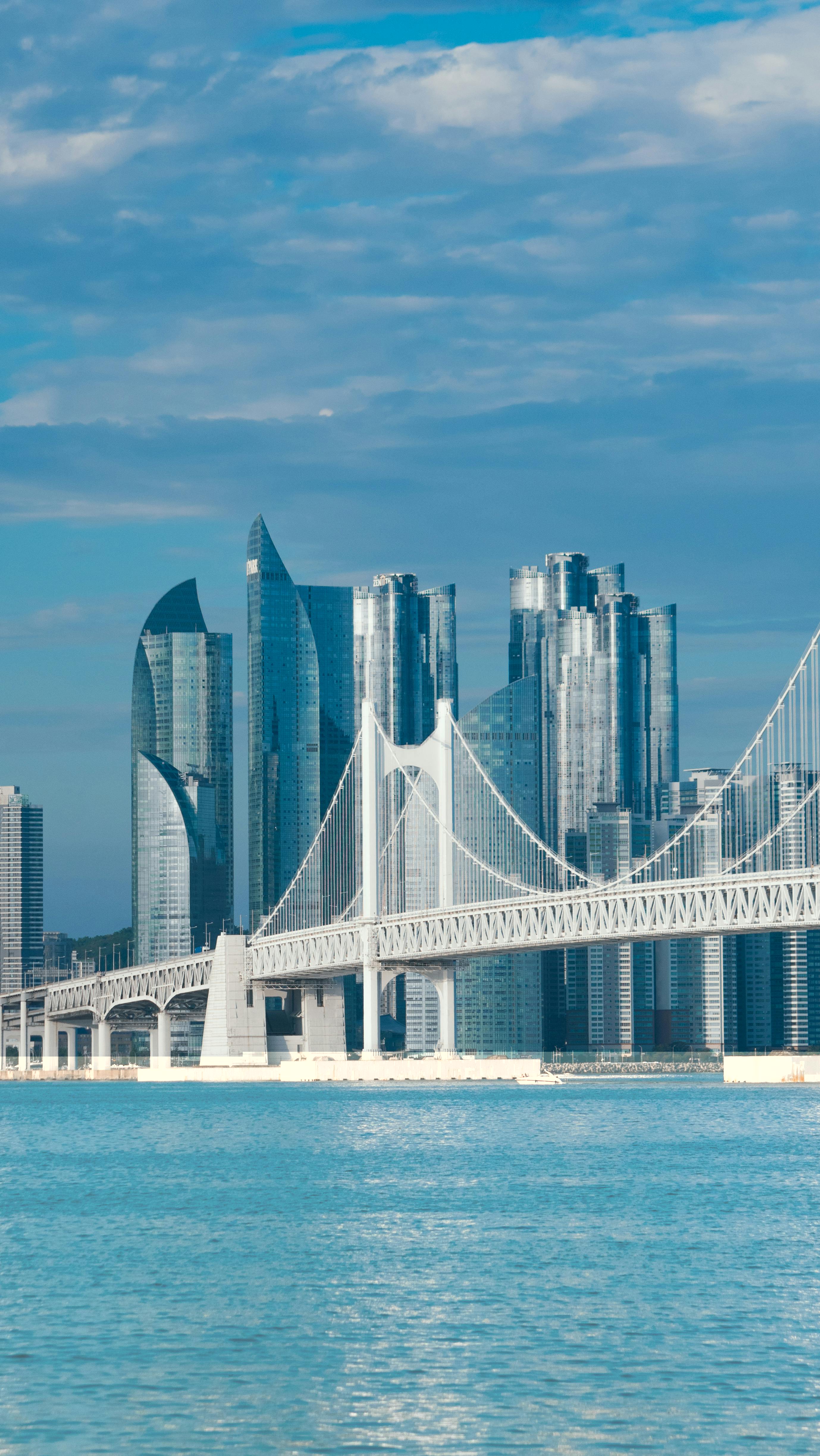
Clear blue seas, incredible food, warm people, and centuries of history —
Busan is a living story waiting to be explored.
Whether you seek stunning landscapes, bold flavors, or heartfelt cultural experiences, Busan will welcome you with open arms.
Start your journey “In Busan” — and let the city become a memorable chapter in your travel story. 🏖️
'About Busan' 카테고리의 다른 글
| Visited Pukyong National University 🏫 (1) | 2025.07.04 |
|---|---|
| Visited Gwangalli Beach with its blue ocean hues. 🏖️ (0) | 2025.07.04 |
| Visit the Busan Library, a representative landmark of Busan 📖 (1) | 2025.06.26 |
| Visited Texas Street in Chinatown near Busan Station 🤓 (0) | 2025.06.24 |
| Exploring Beautiful Attractions in Busan 🏕️ (1) | 2025.06.19 |